
Skip to content
Homemade Napa Cabbage Kimchi
Side

Homemade Napa Cabbage Kimchi

1 h 30 minServes 8Nutri-Score B€€
Adapt this recipe

what you need

Ingredients

8 people
  • napa cabbage (cut into bite-sized pieces)Produce1 piece

  • coarse saltSpices60 g
  • waterOther500 ml
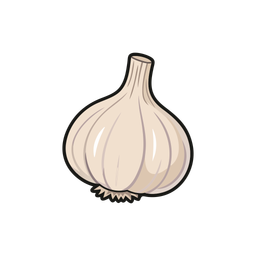
  • garlic (peeled)Produce6 pieces
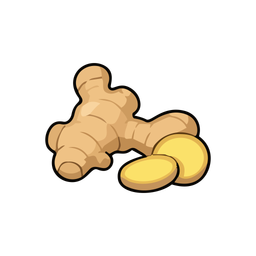
  • ginger (peeled)Produce20 g
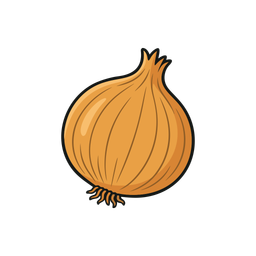
  • onion (peeled, quartered)Produce1 piece

  • fish saucePantry45 ml
  • gochugaru (Korean chili flakes)Spices60 g
  • sugarPantry20 g
  • rice flourGrains20 g
  • daikon radish (julienned)Produce200 g
  • carrot (julienned)Produce1 piece
  • spring onion (cut into pieces)Produce4 pieces

per serving

Nutrition

48kcal

Carbs
10 g
Proteins
2 g
Fat
0 g
Adapt tools

what you’ll use

Tools

  • Mixing bowl ×2
  • Colander
  • Blender
  • Saucepan
  • Kitchen scale

step by step

Method

  1. Salt the cabbage

    • Cut the napa cabbage into bite-sized pieces and place in a large bowl.
    • Dissolve the coarse salt in the water and pour over the cabbage.
    • Toss well so every piece is coated, then let it sit until the leaves soften and bend without breaking.
    Step 1
  2. Rinse and drain

    • Rinse the cabbage under cold water, changing the water a couple of times.
    • Drain well in a colander and squeeze out excess liquid.
    Step 2
  3. Make the rice flour paste

    • Bring a small amount of water to a simmer in a saucepan.
    • Whisk in the rice flour and sugar and cook until slightly thickened, then let it cool completely.
    Step 3
  4. Blend the kimchi paste

    • Blend the garlic, ginger, onion and fish sauce until smooth.
    • Add the gochugaru and the cooled rice flour paste and blend into a thick red paste.
    Step 4
  5. Mix the vegetables

    • Add the julienned daikon radish, carrot and spring onion to the drained cabbage.
    • Pour the kimchi paste over and mix thoroughly, ideally with gloves, until everything is evenly coated.
    Step 5
  6. Pack and ferment

    • Pack the kimchi tightly into clean jars, pressing down to remove air pockets.
    • Leave at room temperature to start fermenting, then store in the fridge.
    Step 6